
Jess Michaels
Snapshot
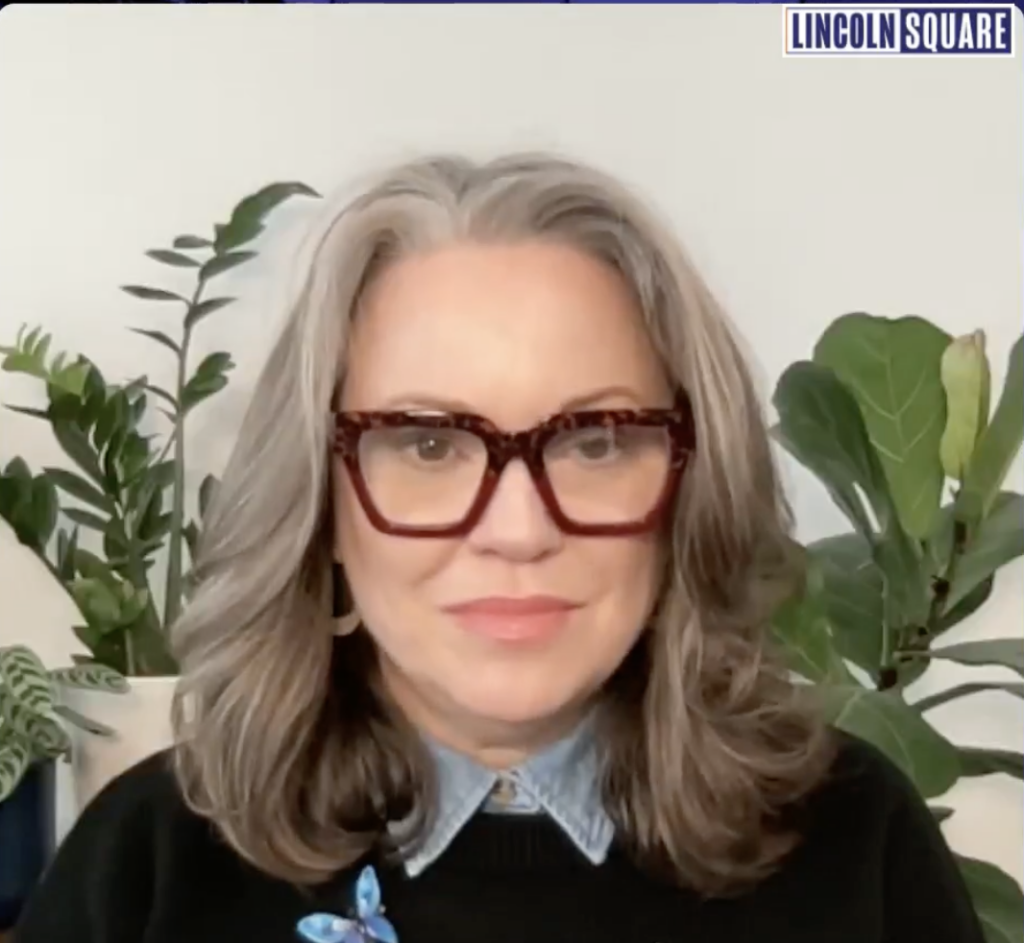
Jess Michaels is a survivor of sexual assault by Jeffrey Epstein and a public advocate for survivors of sexual violence. She has spoken publicly about being assaulted by Epstein in 1991 at age 22 and has since become a leading voice calling for survivor-centered reform, transparency, and accountability in the Epstein case and beyond.
Overview
Jess Michaels is part of a growing group of Epstein survivors whose testimony has reshaped public understanding of the case. Her account provides insight into the mechanisms of grooming, psychological trauma, and systemic failure that allowed Epstein’s abuse to continue.
Michaels has described how she was introduced into Epstein’s orbit through social and financial opportunity structures that masked exploitation. In later interviews, she characterized this process as “sex trafficking 101,” emphasizing how normalization and gradual exposure played a role in victimization (WEAU News). (https://www.weau.com)
Her testimony reinforces key patterns documented across EpsteinWiki, including the use of social access, trust-building, and perceived opportunity to facilitate abuse.
Assault and Aftermath
Michaels has stated that she was raped by Epstein in 1991 while working as a professional dancer. At the time, legal definitions of sexual assault and cultural narratives around victim behavior contributed to her delayed recognition and reporting of the crime.
She has explained that she did not initially identify the assault as rape because she did not physically resist, reflecting outdated legal standards that emphasized resistance over consent (Vanderbilt Hustler). (The Vanderbilt Hustler)
This aligns with broader survivor accounts showing how legal frameworks and social expectations historically discouraged reporting and recognition of abuse.
Michaels has also described the immediate psychological effects of the assault, including shock, confusion, and long-term post-traumatic stress. (https://www.weau.com)
Survivor Silence and System Failure
A central theme in Michaels’ advocacy is the failure of institutions to respond effectively to survivors. She has emphasized that fear of disbelief, power imbalance, and lack of support contributed to her decision not to come forward for many years.
Michaels has stated that she believed no one would believe her over a wealthy and powerful figure like Epstein, highlighting the role of status and credibility asymmetry in suppressing survivor voices. (https://www.weau.com)
Her experience reflects a broader pattern documented in Epstein-related cases, where early reports were not adequately investigated or acted upon.
Advocacy and Public Voice
Jess Michaels is now an active advocate for survivors of sexual violence. Her work focuses on shifting how sexual assault is understood, moving from a model centered on interrogation to one centered on injury, care, and recovery.
She has emphasized the importance of early intervention, noting that consistent support in the immediate aftermath of assault can significantly reduce long-term trauma outcomes (Vanderbilt Hustler). (The Vanderbilt Hustler)
Michaels has also contributed to survivor-focused tools and community-building efforts, including initiatives designed to provide structured support systems for victims in the critical period following assault.
Role in Epstein Case Transparency Movement
Michaels is part of a broader coalition of survivors advocating for the release of Epstein-related documents. In public discussions, she has emphasized that survivors have been speaking out for decades but have not received adequate accountability.
She has criticized the exclusion of survivor voices from key institutional discussions and decision-making processes, particularly in relation to document releases and legal proceedings (Democracy Now). (Democracy Now!)
Her position reflects a growing demand that survivor testimony be central to any investigation or policy response related to the Epstein case.
Analytical Significance
Jess Michaels’ testimony is significant within EpsteinWiki for several reasons:
- It provides direct evidence of grooming pathways and recruitment mechanisms
- It illustrates how power imbalance suppresses reporting
- It highlights failures in legal and institutional response systems
- It supports the framework that Epstein’s network relied on social normalization and gradual exposure
- It reinforces the importance of survivor-led advocacy in driving accountability
Her account strengthens the broader understanding of the Epstein network as a system that relied not only on access and influence, but also on silence, disbelief, and systemic gaps in protection.
Evidence Appearances
- Public interviews and advocacy statements regarding Epstein assault
- Survivor testimony describing grooming and trafficking pathways
- Media coverage of survivor advocacy and reform efforts
- Statements calling for release of Epstein-related documents
Key Takeaways
- Jess Michaels is a documented Epstein survivor and advocate
- Her testimony highlights grooming, normalization, and delayed recognition of abuse
- She demonstrates how power imbalance discourages reporting
- Her advocacy focuses on survivor-centered care and systemic reform
- She is part of the ongoing push for transparency and document release in the Epstein case