
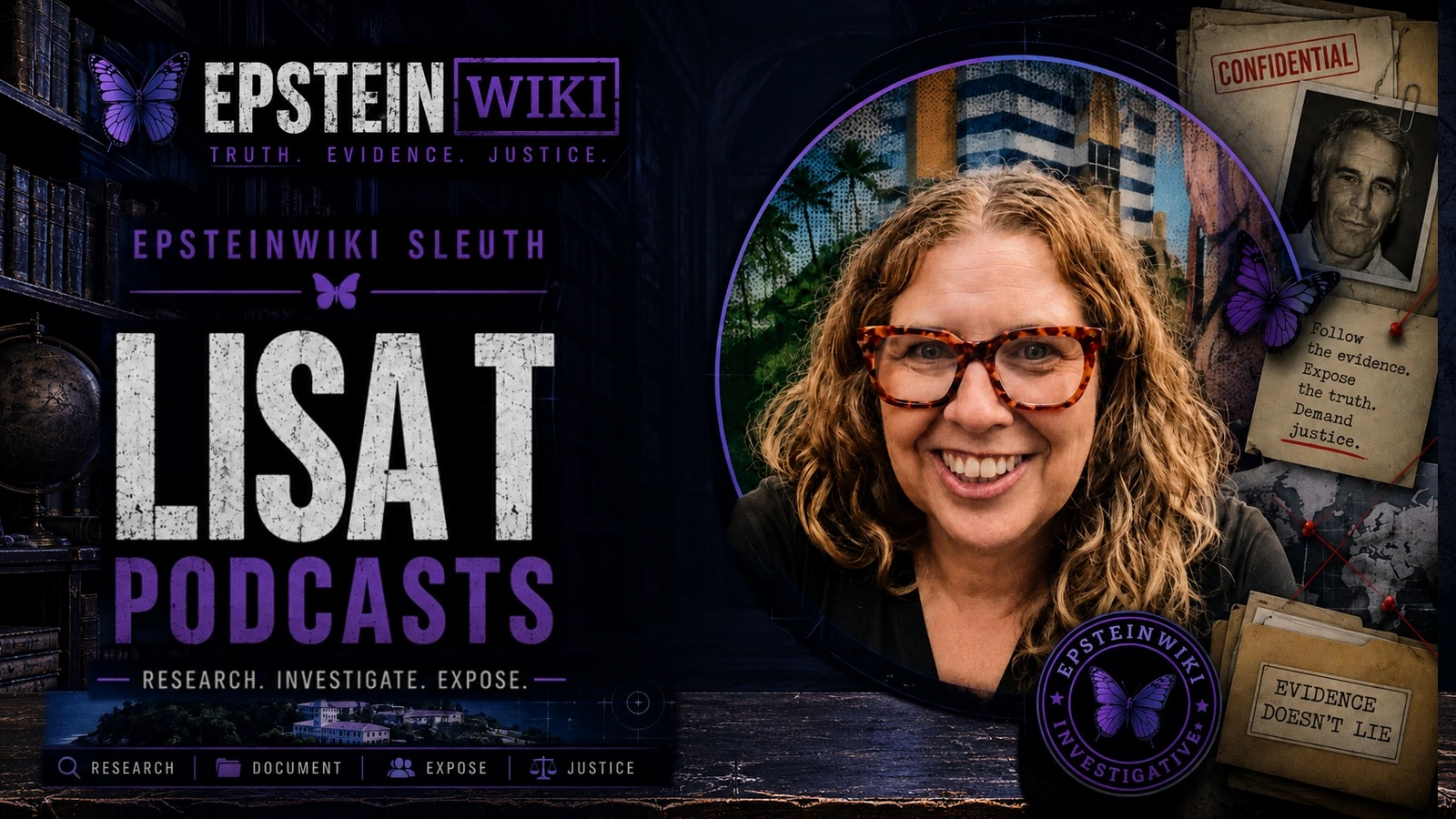
Sleuth Report: Lisa Tait examines royal access and the Balmoral enquiries
Snapshot
| Field | Details |
|---|---|
| Originating sleuth | Lisa Tait, Jeffrey Epstein Hyper Focus |
| Publication | November 3, 2026. Princely Privilege: How Epstein and Maxwell Entered the Royal Inner Circle. |
| Central issue | Access to royal residences, alleged exceptions to visitor checks, and reported police enquiries concerning Balmoral. |
| Evidence status | Original article read in full. Supporting verification is limited: police remarks were checked through reporting, an official policing statement was read, and the linked congressional transcript did not load. |
| Core distinction | A visit, a witness allegation and an active enquiry establish different things. None alone establishes criminal responsibility. |
Overview
Lisa Tait’s article brings together questions about Epstein and Maxwell’s access to royal households. Its contribution is a synthesis of existing reporting and witness accounts. It does not supply a newly authenticated visitor register or a new court finding.
The account raises an institutional question: could a prominent host’s instructions weaken the procedures meant to document visitors? Answering that requires records of the relevant policy, admissions and exceptions, alongside testimony that can be tested.
Key Takeaways
- Tait brings together reporting about royal access, alleged visitor-check exceptions and early Balmoral enquiries.
- A reported enquiry, an attributed witness claim and a verified visitor record establish different things. The cited material does not resolve criminal responsibility.
- The linked Kellen transcript’s relevant passages remain unverified in this report.
Balmoral enquiries and their limits
Sky News’s October 30 report attributes confirmation of early enquiries to Police Scotland. The force reportedly had received information concerning time Andrew Mountbatten-Windsor, Epstein and Maxwell spent at Balmoral. The suggestion that these enquiries concern trafficking allegations is attributed to the Daily Express, rather than confirmed in the police statement.
ITV’s reporting reproduces the same distinction. Police described early investigative work and a focus on survivors, while declining to disclose its particulars. That supports reporting an enquiry. It does not establish that a particular offence occurred at the estate.
Paul Page’s account of palace security
LBC’s February interview reporting records former royal protection officer Paul Page alleging that Maxwell could enter Buckingham Palace without officers stopping her. He also alleged exceptions to normal identification checks for some female visitors. These are attributed witness claims, not a verified reconstruction of every admission.
Page told LBC that he had not witnessed criminality by Andrew, who denies wrongdoing. LBC also reported Page’s 2009 conviction arising from a property fraud scheme. His account therefore requires corroboration through contemporaneous records and other witnesses, rather than acceptance or rejection based solely on his former role.
LBC’s September follow up reports that Page submitted material to US authorities and offered to have his account tested. The submission itself was not inspected for this report. Its reported delivery does not show that the FBI accepted its allegations as fact.
Evidence appearances and record verification
The House Oversight Committee’s June 4 release confirms that Sarah Kellen was interviewed on May 21, 2026 and links a transcript. The linked file is titled “2026-05-21 Sarah Kellen – Transcript.pdf” and has Google Drive identifier 1nPDWYcqxugpod1-b98xuayS-RkUtrcyS. The file did not yield readable transcript pages during this review.
The royal residence passages and their page numbers therefore remain unverified here. No quotation from those passages is presented as independently checked. No EFTA identifier or original DOJ photograph file was authenticated for this report, so photographs described in the reporting are not assigned invented evidence numbers.
The NPCC’s October 8 statement supplies an official distinction between national coordination and individual force investigations. It says the national team assesses material and connects information, while naming live investigations by Thames Valley Police, the Metropolitan Police and Surrey Police. It explicitly says there is no national investigation. That statement predates the October 30 Balmoral reporting and does not itself confirm the Scottish enquiries.
Significance
Access records can help reconstruct who entered a property, who authorised admission and whether established procedures were followed. Gaps in those records can limit later investigation. A missing entry, however, does not by itself prove concealment, trafficking or any particular visitor’s purpose.
The strongest next step is to connect a specific admission to an authenticated record and a clearly sourced account. Reporting should preserve the separation between Buckingham Palace, Balmoral, Windsor and Sandringham, rather than treating different places and years as one event.
Survivors should be able to provide information without public exposure of private identifying details. Neither social proximity nor an appearance in released records establishes wrongdoing.
EpsteinWiki’s Fact Checking Desk provides a framework for distinguishing a mention, an allegation, testimony and an established finding. Those distinctions apply to each strand of this report.
Uncertainties and open questions
What precise information prompted Police Scotland’s enquiries? Which surviving visitor logs, duty records or instructions could test Page’s account? Can the relevant Kellen transcript pages establish the residence, date and circumstances of each visit? Which official image files support the locations and dates assigned to photographs?
These questions remain open. This report provides limited verification of the underlying evidence, despite full access to Tait’s article. It does not resolve the allegations or infer guilt from royal access.
Conclusion
Tait’s article identifies questions about royal access and the records needed to evaluate it. The available sources distinguish reported police enquiries from witness allegations and leave key visitor records, transcript passages and photographic provenance unresolved. They do not establish guilt from access or association.
Questions and Answers
Do the reports confirm a crime at Balmoral?
No. The cited reporting supports the existence of early police enquiries. It does not establish that a particular offense occurred there.
Is Paul Page’s account an official finding?
No. It is an attributed witness account. His statements, the reported limits of what he witnessed and Andrew’s denial remain distinct from findings by an investigator or court.
Were the relevant Kellen transcript passages verified?
No. The committee’s release and file link were identified, but readable transcript pages were unavailable during the review described here.
Sources
- Lisa Tait’s original article, November 3, 2026.
- Sky News reporting on Balmoral enquiries, October 30, 2026.
- ITV reporting on the early enquiries, October 30, 2026.
- LBC reporting of Page’s account, February 18, updated February 19, 2026.
- LBC reporting on Page’s submission, September 13, updated September 14, 2026.
- House Oversight’s official release and transcript link, June 4, 2026.
- Committee linked Kellen transcript, file identified but transcript pages inaccessible.
- NPCC official statement, October 8, 2026.
- EpsteinWiki Fact Checking Desk, evidence assessment resource.