
Epstein Files Raise New Questions About Power, Accountability, and Institutional Failure
The latest wave of Epstein related reporting highlights a recurring theme that has followed this story for years: the deeper researchers dig, the more questions emerge about the powerful people, institutions, and systems that surrounded Jeffrey Epstein. From newly surfaced witness accounts and congressional inquiries to renewed scrutiny of elite universities and longtime associates, this week’s developments demonstrate that the Epstein story is no longer focused on a single individual. Instead, investigators continue to examine the broader network that enabled, protected, and benefited from Epstein’s influence for decades.
Key Developments
- New reporting highlighted allegations from a previously unidentified Epstein assistant whose reported connections extended into international political and business circles.
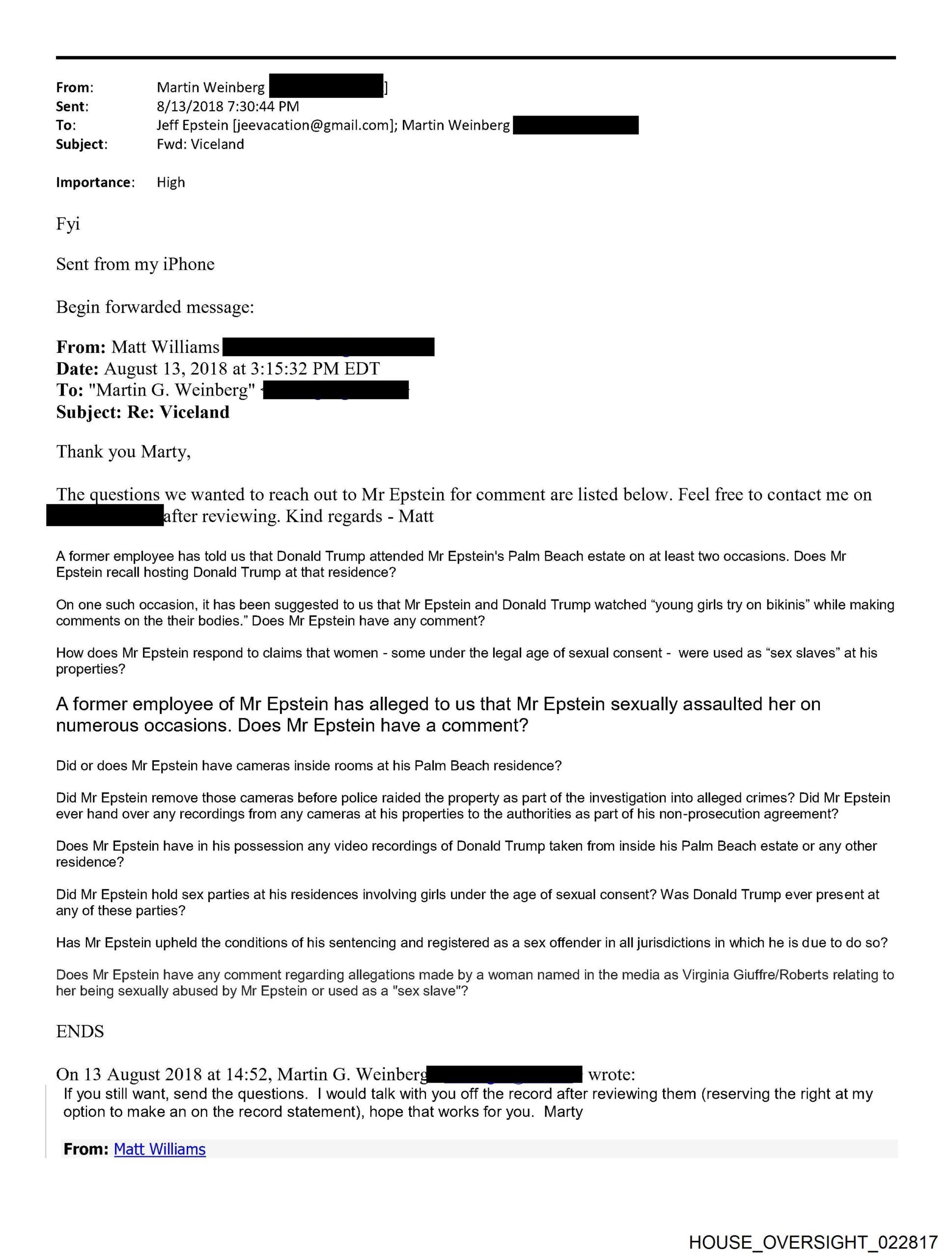
- A resurfaced FBI interview describes allegations that recruiters may have operated inside Trump Tower during the early 1990s while allegedly steering young women toward meetings connected to Donald Trump and Jeffrey Epstein.
- Researchers continue examining evidence suggesting federal authorities possessed information about Epstein years before his 2019 arrest.
- An email uncovered in the Epstein files reveals AI researcher Joscha Bach describing Epstein as an “unrepentant and unevolving connoisseur of immature girls” while discussing how many associates compartmentalized concerns about him.
- Ellie Leonard argued that independent journalists and citizen investigators are increasingly challenging traditional gatekeepers in the pursuit of accountability.
- Lisa’s reporting examined ongoing debates surrounding Virginia Giuffre’s legacy and her role in bringing global attention to the Epstein case.
- New attention has focused on allegations that Epstein received extraordinary privileges during his Palm Beach incarceration through personal connections and special accommodations.
- Harvard Kennedy School announced it will retain Leslie Wexner’s name on a campus building despite continued controversy surrounding his relationship with Epstein.
- A resurfaced memoir account renewed scrutiny of allegations that Ghislaine Maxwell played a direct role in identifying, grooming, and recruiting young victims.
- Fresh reporting revisited the final 35 days before Epstein’s death, highlighting documented failures within the federal jail system and unanswered questions about how procedures broke down.
- House investigators are reportedly seeking testimony from Alan Dershowitz as congressional inquiries continue expanding into the Epstein network and its institutional connections.
- Questions surrounding who knew about Epstein’s activities, when they knew it, and why meaningful intervention often failed remain central to many current investigations.
In The News
Leaked Records Reveal Previously Unknown Epstein Assistant and Her Reported Ties to Moscow and Beijing
The Epstein story keeps getting bigger, and this latest report shines a light on a previously unidentified assistant whose alleged connections stretched far beyond Palm Beach and Manhattan. According to newly examined records, the assistant reportedly helped coordinate activities and communications while maintaining links that touched both Russian and Chinese circles, raising fresh questions about how international Epstein’s network may have become. The more documents researchers uncover, the clearer it becomes that Epstein’s operation was not just a story of wealthy elites and private jets, but a web of relationships that crossed borders, governments, and power structures. Claims regarding Epstein’s documented efforts to build relationships with Russian officials and pursue contacts connected to Moscow have also appeared in recently released files and reporting. (dossier.center)
SDNY Received Evidence of Jeffrey Epstein’s Conduct Years Before His Federal Arrest
If this reporting is accurate, one of the most uncomfortable questions in the Epstein story becomes even harder to ignore. The article argues that federal prosecutors in the Southern District of New York reportedly had access to evidence connected to Epstein’s activities years before his 2019 arrest, raising fresh concerns about missed opportunities, institutional failures, and whether warning signs were overlooked despite repeated allegations. For researchers following the Epstein case, the story adds to a growing body of reporting that suggests information may have existed within multiple agencies long before the public finally saw meaningful federal action, leaving many asking not what authorities knew, but when they knew it and why nothing happened sooner.
The Most Overlooked Epstein Email Reveals What His Inner Circle Really Knew
This deep dive into a little discussed Epstein email cuts through years of excuses and selective memory. The correspondence shows AI researcher Joscha Bach describing Epstein as an “unrepentant and unevolving connoisseur of immature girls” while also acknowledging that many people in Epstein’s orbit compartmentalized what they knew in order to maintain their relationships, funding, and access. For anyone studying the social architecture of the Epstein network, this email offers a rare glimpse into how elite circles rationalized warning signs that were hiding in plain sight for years.
Independent Journalism’s Trojan Horse Strategy Is Already Changing the Information Battlefield
Ellie Leonard’s essay argues that the future of accountability reporting may not come from legacy institutions at all, but from networks of independent journalists, researchers, and citizen investigators working outside traditional gatekeeping structures. The piece makes the case that decentralized media has become a kind of Trojan horse, quietly building audiences, uncovering stories, and challenging narratives that powerful institutions assumed they could control. For anyone following the Epstein investigations or the broader fight over media influence, the message is clear: the establishment may still own the castle walls, but independent journalists are already inside the gates.
What Is Happening to Virginia Giuffre’s Legacy and Why Her Fight Still Matters
Lisa’s piece explores the growing battle over Virginia Giuffre’s legacy as new books, investigations, document releases, and public debates continue to reshape how the Epstein story is understood. The article highlights the tension between efforts to discredit survivor testimony and the undeniable impact Giuffre had in forcing powerful institutions, media outlets, and governments to confront allegations they had long ignored. Whether critics agree with every claim or not, Virginia Giuffre transformed the Epstein case from a buried scandal into a global reckoning, and the fight over her legacy may ultimately determine how future generations understand both the victims and the system that failed them.
Buried Epstein Files Raise New Questions About Alleged Recruiters Operating Inside Trump Tower
A newly surfaced FBI interview from the Epstein files describes allegations that young women were approached inside Trump Tower by men who allegedly offered introductions to Donald Trump and invitations linked to Jeffrey Epstein’s address. While the claims remain unproven and no charges have resulted from the account, the document adds another layer to the ongoing scrutiny surrounding the social networks, recruitment patterns, and power structures that surrounded both Trump and Epstein during the 1990s. As more files emerge from the government’s massive Epstein archive, researchers continue to uncover allegations that challenge long standing narratives and raise new questions about what was happening behind the scenes in some of the most influential circles of the era.
Epstein Jail Privileges Allegedly Included Cash Payments, Theme Park Tickets, and Special Treatment
This latest report revisits the extraordinary treatment Jeffrey Epstein allegedly received while incarcerated in Palm Beach, including claims that special accommodations were secured through favors, cash, and even Disneyland tickets provided to a deputy connected to his work release arrangement. The allegations add to long standing questions about how a convicted sex offender managed to receive privileges unavailable to ordinary inmates, reinforcing concerns that wealth, influence, and connections repeatedly shielded Epstein from the consequences faced by everyone else. For researchers examining the systemic failures surrounding the Epstein case, the story serves as another reminder that the scandal was never just about one man, but about the institutions and individuals who allegedly helped make exceptions for him.
Epstein Jail Privileges Allegedly Included Cash Payments, Theme Park Tickets, and Special Treatment
This latest report revisits the extraordinary treatment Jeffrey Epstein allegedly received while incarcerated in Palm Beach, including claims that special accommodations were secured through favors, cash, and even Disneyland tickets provided to a deputy connected to his work release arrangement. The allegations add to long standing questions about how a convicted sex offender managed to receive privileges unavailable to ordinary inmates, reinforcing concerns that wealth, influence, and connections repeatedly shielded Epstein from the consequences faced by everyone else. For researchers examining the systemic failures surrounding the Epstein case, the story serves as another reminder that the scandal was never just about one man, but about the institutions and individuals who allegedly helped make exceptions for him.
Harvard Refuses to Remove Wexner Name From Kennedy School Building Despite Epstein Controversy
Harvard Kennedy School has decided it will not remove Leslie Wexner’s name from a prominent campus building, citing legal obligations despite growing pressure from students, faculty, and survivors who argue the association is incompatible with the institution’s values. The decision comes as renewed scrutiny of Wexner’s long relationship with Jeffrey Epstein continues to fuel debate over accountability, donor influence, and how elite institutions confront uncomfortable parts of their own history. Harvard says it will instead pursue efforts to provide context and education around the Epstein case, but critics argue that contextualizing a name is not the same as removing it.
Memoir Revives Allegations About Ghislaine Maxwell’s Role in Identifying and Grooming Young Victims
This resurfaced account adds another disturbing layer to the well documented allegations surrounding Ghislaine Maxwell’s role in Jeffrey Epstein’s trafficking network. Drawing on memoir claims and previously reported allegations, the story describes Maxwell allegedly assessing and grooming young girls before introducing them to Epstein, echoing patterns described by multiple survivors during investigations and court proceedings. The article serves as a reminder that the Epstein operation was not sustained by one man alone, but by a network of individuals who allegedly identified, recruited, and normalized the exploitation of vulnerable young women and girls for years.
The Final 35 Days of Jeffrey Epstein’s Life Continue to Raise Questions About Jail Failures and Missed Warnings
This report revisits the chaotic final weeks before Jeffrey Epstein’s death, highlighting a series of documented failures inside the federal jail system, including lapses in required monitoring, staffing problems, and unanswered questions that continue to fuel public scrutiny years later. While official investigations concluded that Epstein died by suicide, the circumstances surrounding his final days remain one of the most controversial chapters in the broader Epstein saga. For researchers, the story is less about conspiracy theories and more about understanding how one of the highest profile inmates in America was left inside a system that repeatedly failed to follow its own procedures.
Alan Dershowitz Steps Into the Epstein Spotlight as House Investigators Seek Answers
Alan Dershowitz is moving from commentator to potential witness as the House Oversight Committee seeks his testimony regarding Jeffrey Epstein, Ghislaine Maxwell, and the federal government’s handling of the investigations. As one of Epstein’s most prominent former attorneys and a key figure in the controversial 2008 plea agreement, Dershowitz remains a lightning rod in the broader effort to understand who knew what, when they knew it, and how Epstein repeatedly secured favorable treatment from powerful institutions. The hearing could provide one of the most closely watched moments yet in Congress’s ongoing effort to untangle the relationships, decisions, and influence networks that surrounded Epstein for decades.
In Closing
The Epstein story continues to evolve from a criminal case into a broader examination of power, privilege, influence, and accountability. This week’s reporting underscores how many unanswered questions remain, particularly regarding the institutions and individuals that maintained relationships with Epstein long after warning signs became impossible to ignore. As new documents, testimony, and investigations emerge, researchers continue assembling a clearer picture of a network whose full scope is still being uncovered.
Latest Wiki Pages
Call to Action
- Join our New Public Discord Investigation Server
- Donate to a Survivor’s Fund
- Donate to an Epsteinwiki Sleuth
- Sign These Petitions
- Support the Epstein Book Mobile