
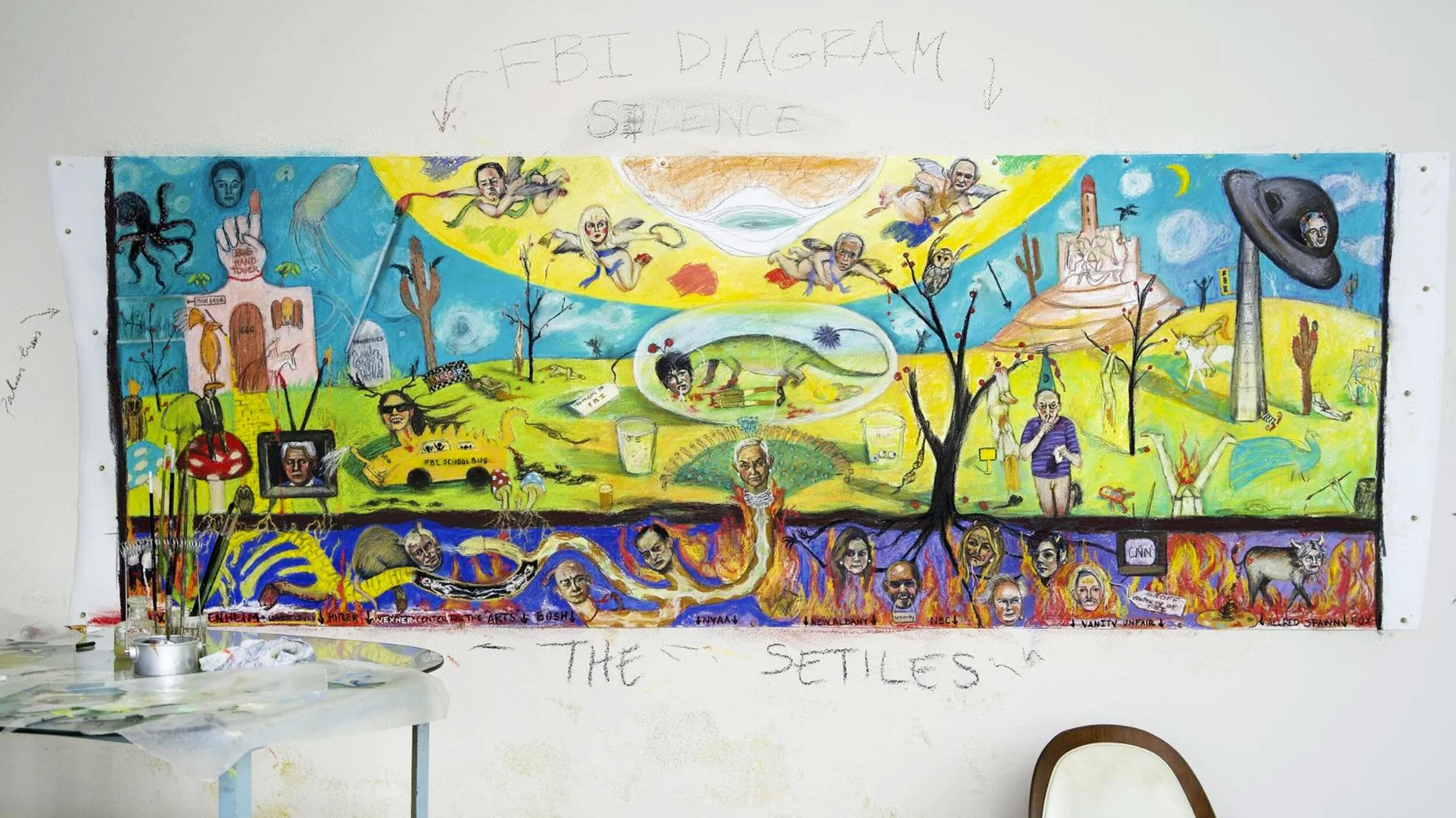
Epstein Network Pressure Builds as Lawmakers, Journalists, and Whistleblowers Close In
The walls are tightening around the sprawling Epstein network, as new reporting, political pressure, and investigative breakthroughs converge into what may become the most significant transparency push since the original case collapsed. Lawmakers are now openly demanding the release of unredacted Epstein files, while journalists continue exposing connections between financial institutions, elite schools, and individuals who allegedly enabled or ignored abuse. With renewed scrutiny from outlets like Bloomberg News, Wired , and independent investigators such as Ellie Leonard, the narrative is shifting from isolated scandal to systemic failure—and potentially, coordinated protection.
At the same time, questions are intensifying around institutions that intersected with Jeffrey Epstein’s operations, including academic programs, nonprofits, and financial pipelines. Reports linking Epstein to educational environments and scholarship programs are reigniting concerns about grooming pathways and institutional complicity. Meanwhile, whistleblowers and victim advocates are pushing back against what they describe as deliberate delays in document releases, particularly as congressional figures demand accountability from officials accused of blocking transparency. This moment marks a critical turning point: the fight is no longer just about what happened—but about who knew, who enabled it, and who is still hiding the truth.
Investigative Journalism
Epstein Wanted to Track a Victims’ Lawyer—Because Even His Legal Opponents Weren’t Off-Limits
Newly surfaced Epstein files reveal that Jeffrey Epstein was so concerned about a victims’ attorney with possible FBI ties that he discussed surveilling her—yes, actually following her—to figure out what she knew and who she was connected to. The attorney, who had worked with legal teams representing Epstein’s victims, reportedly raised alarms for pushing strategies that targeted Epstein’s wider network, not just the man himself. That alone seemed to trigger Epstein’s paranoia, especially amid questions about her past connection to the FBI, highlighting just how aggressively he monitored threats to his operation. And let’s be honest: when someone starts talking about tracking a lawyer for doing her job, it tells you everything you need to know about how much he feared the truth getting too close.
One Man Built the Ultimate Epstein Database—and It Basically Took Over His Life
In one of the most intense twists yet in the Epstein fallout, a data engineer quietly built a massive, searchable database of millions of Epstein-related files—mapping connections between powerful figures, financial transactions, flight logs, and court records—and then watched it completely consume his life. What started as curiosity turned into obsession, fueled by frustration with how disorganized and inaccessible the official document releases were, pushing him to create a tool that could actually connect the dots the government didn’t. The result? A viral platform now used by journalists, investigators, and survivors—but at a steep personal cost, including burnout, financial strain, and legal pressure from people who would very much prefer those connections stay buried. And honestly, if there’s a theme here, it’s this: When institutions fail to make the truth accessible, someone else will—and it won’t always come without consequences.
Now They’re Accusing the DOJ of Blocking Epstein Files—And Honestly, This Keeps Getting Worse
The Epstein fallout just escalated again, with Senator Ron Wyden accusing Deputy Attorney General Todd Blanche of blocking the release of a fully unredacted document tied to a federal investigation into drug trafficking and money laundering linked to Jeffrey Epstein. According to reports, the document in question could shed new light on the financial side of Epstein’s operations—yes, the part that keeps expanding every time we get new information—and lawmakers are now openly questioning whether key evidence is being deliberately withheld. At the same time, tensions are boiling over in Congress, with bipartisan frustration growing over redactions, delays, and what many are starting to call a pattern of obstruction rather than transparency. And at this point, let’s be real: when even lawmakers can’t get straight answers, the public is left wondering just how much of this story is still sitting behind a black marker.
Pastor Linked to Epstein Island Suspended—Because Apparently “I Didn’t See Anything” Is Still the Defense
A female pastor has been suspended after newly released Epstein files revealed she previously worked as a manager on Jeffrey Epstein’s private island, raising serious questions about judgment, disclosure, and how close people were willing to get to a known offender. According to reports, she was not accused of any crimes and insists she never witnessed abuse during her time there, despite knowing Epstein’s past conviction before taking the job. Church leadership says they were never informed of the connection, prompting an internal investigation and suspension. And once again, the Epstein story delivers the same uncomfortable pattern: proximity to power, selective blindness, and a whole lot of “I didn’t know” that’s getting harder and harder to believe.
Michigan Ties to Epstein Spark New Probe—Because Apparently Even Summer Camp Wasn’t Off-Limits
Michigan Democrats are now calling for a formal investigation into Jeffrey Epstein’s connections to Interlochen Center for the Arts, after newly released records revealed the elite summer program may have been an early access point in his abuse network. According to documents, Epstein donated money, built relationships on campus, and allegedly used that proximity to identify and groom at least one victim—raising serious questions about how institutions unknowingly (or not) gave him access to vulnerable young people. And let’s be clear: This isn’t just about one location—it’s about a pattern of access, influence, and missed warning signs that keeps repeating across the Epstein story. Now lawmakers want answers, and honestly, it’s about time someone started asking how this was allowed to happen in the first place.
Epstein, Ketamine, and Money Laundering—Because Apparently That Was Happening Too
Just when you think the Epstein story has hit peak disturbing, new reporting reveals he was also the subject of a secret DEA investigation tied to ketamine distribution, money laundering, and a broader organized crime probe. According to newly surfaced documents and sources, federal agents were looking into suspicious financial transfers, alleged drug activity, and connections to a network that extended well beyond sex trafficking—yes, somehow it gets worse. The investigation reportedly began around 2015 and involved multiple agencies, raising serious questions about how deep Epstein’s operations actually went and how much was known before his 2019 arrest. At this point, the pattern is hard to ignore: every new release doesn’t just add details—it expands the scope of what Epstein was allegedly involved in, and how many systems failed to stop it.
“Russian Insider” Claims Hit Epstein Story—But Let’s Talk About What’s Real vs. Clickbait
A new article is making bold claims that an alleged Epstein insider had ties to a Russian security-linked family, instantly fueling speculation about intelligence connections and international intrigue—but here’s the reality check: the reporting relies heavily on unverified details and lacks confirmation from major, credible outlets. While Jeffrey Epstein’s network absolutely intersected with powerful global figures, there is currently no solid, fact-checked evidence supporting the specific claims being pushed here. And this is where things get dangerous—when real, documented abuse scandals get mixed with shaky or sensational narratives, it muddies the waters and makes it easier for actual accountability to get lost in the noise.
Epstein Files Chaos: Now Even Lawmakers Are Accusing Each Other of a Cover-Up
The fallout from the Epstein document releases just took another turn, with new reporting highlighting political infighting, accusations of hidden files, and growing outrage over what still hasn’t been disclosed. Lawmakers are now openly clashing over whether key evidence tied to Jeffrey Epstein’s network is being withheld, fueling suspicions that the full scope of his connections to powerful figures remains buried. The latest wave of frustration isn’t just about what’s been revealed—it’s about what’s missing, delayed, or possibly protected. And at this point, the public isn’t just asking questions—they’re demanding to know who still has something to hide, and why the truth keeps arriving in fragments instead of the full picture.
Epstein Wasn’t Just Abusing Power—He Was Trading on It Too
New reporting reveals that Jeffrey Epstein wasn’t just collecting powerful friends—he was collecting their secrets too, using an elite network of billionaires, bankers, and political insiders to gather confidential tips on stocks, startups, and major deals. According to the latest document releases, Epstein received sensitive, sometimes non-public information from high-level contacts and in some cases used it to make well-timed investments, blurring the line between networking and potential insider trading. From biotech companies to private equity moves, the pattern is clear: access wasn’t just social currency for Epstein—it was financial leverage. And once again, the story isn’t just about one man—it’s about how many powerful people were willing to share information they absolutely should not have.
Virginia Giuffre, Epstein, and the Conspiracy Rabbit Hole People Can’t Stop Falling Into
A new Substack piece is stirring the pot by linking Virginia Giuffre—one of Jeffrey Epstein’s most well-known survivors—to broader theories about manipulation, control, and even government-style experimentation, and yes, the internet is eating it up. The article leans into Giuffre’s documented history of abuse and vulnerability as a way to frame how Epstein’s network identified and groomed victims, but then veers into far more speculative territory that isn’t backed by hard evidence. Here’s the reality check: Giuffre’s testimony and legal record already expose a deeply disturbing system of exploitation tied to wealth and power—no conspiracy add-ons required. Still, in a world where people are desperate for answers, the line between investigation and imagination keeps getting blurrier, and not always in a helpful way.
She Escaped Epstein—Then the Government Exposed Her Anyway
In a brutal twist of irony, Svetlana Pozhidaeva—one of Jeffrey Epstein’s victims—had her identity accidentally exposed in the 2026 document dump that was supposed to deliver transparency, not retraumatization. After years of trying to rebuild her life, the former model says the unredacted files triggered harassment, online speculation, and renewed fear, all while forcing her to publicly reclaim a story she never wanted back in the spotlight. Her account pulls back the curtain on how Epstein controlled adult victims through money, immigration status, and psychological pressure—proof that exploitation didn’t magically stop at age 18, no matter how many people still cling to that myth. And if there’s a takeaway here, it’s this: even when the system finally releases the truth, it can still fail the very people it claims to protect.
Another Epstein Lawsuit, Another Billionaire—and Somehow We’re Still Surprised?
A new lawsuit is dragging billionaire Leon Black back into the ever-expanding orbit of Jeffrey Epstein, alleging the rape of a 16-year-old autistic girl inside Epstein’s Manhattan townhouse—a location that continues to resurface like a crime scene that never closed. Black denies the allegations, but the filing adds to a growing stack of civil cases tying powerful figures to Epstein’s trafficking network, where abuse was allegedly hidden behind money, influence, and locked doors. At this point, the pattern is hard to ignore: the names may change, but the setting—and the systemic silence that allowed it—remains disturbingly consistent.
Epstein Island Videos, Mystery Files, and That Trump Statue—Because This Story Refuses to Stay Quiet
Just when you thought the Jeffrey Epstein saga couldn’t get more surreal, new reporting from NBC News dives into recovered video files from Little St. James—yes, that island—while the internet spirals over bizarre artifacts, missing context, and a now-viral statue linking Epstein to Donald Trump. The files are part of the massive document releases tied to the Epstein Files Transparency Act, which unleashed millions of pages, images, and videos—many still heavily redacted or raising more questions than answers. Jeffrey Epstein’s private world continues to drip out in fragments, and instead of clarity, we’re getting a chaotic mix of digital evidence, public outrage, and yes—literal political art installations that keep dragging old relationships back into the spotlight. Because apparently in 2026, accountability comes with a side of viral spectacle and unanswered questions.
In Closing
This is no longer a buried scandal—it’s an active, unfolding investigation into power, protection, and accountability. Every new document request, every resurfaced connection, and every journalist digging deeper adds pressure to a system that has long resisted scrutiny. The Epstein case has always been about more than one man. Now, the focus is where it belongs: on the network. And that network is starting to crack.
Call to Action
1. Donate to a Survivor’s Fund
2. Donate to an Epsteinwiki Sleuth
- Buy a Treat for Kitty: https://buymeacoffee.com/resistancekitty
- Buy a Coffee for Tony: https://buymeacoffee.com/anthon7yandrews
- Buy a Coffee for Nightfire: https://buymeacoffee.com/nightfire
3. Sign These Petitions
- Charge Epstein’s Co-Conspirators!
- Impeach Pam Bondi for Exposing Epstein Victims
- Tell Pam Bondi: Apologize to Epstein Survivors
- Preserve Public Access to Epstein Investigation Records
- Tell Your State Legislators to Investigate the Epstein Files
4. Contact Your Lawmakers About This Potential Financial Transparency Bill
Other Projects
- Resistance Directory: https://resistancedirectory.com/
- EpsteinWiki: Epsteinwiki.com
Support EpsteinWiki’s Work
- Merch: https://rgearshop.com/