
Jennifer Araoz
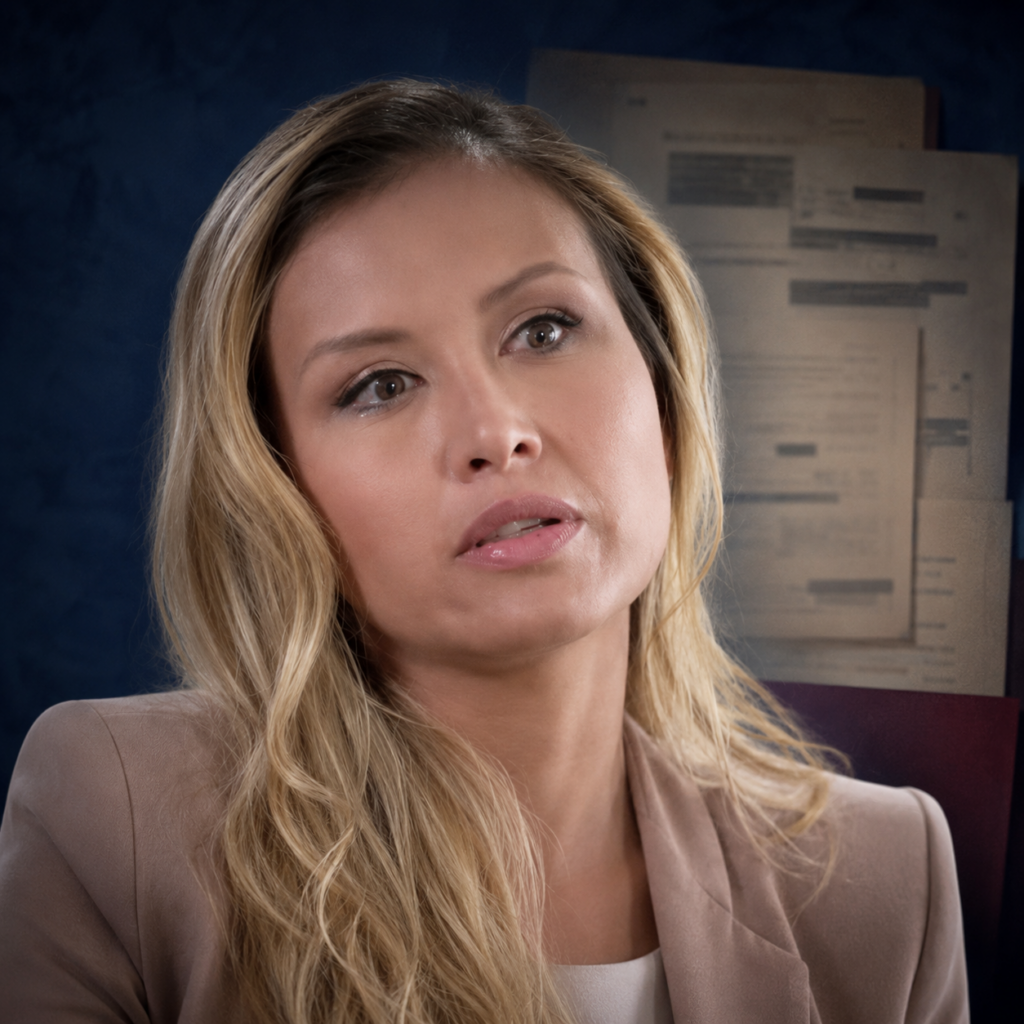
Jennifer Araoz is a survivor of Jeffrey Epstein’s sexual abuse who publicly stated that she was recruited outside her New York City high school when she was 14 years old. According to Araoz, Epstein sexually abused her during repeated visits to his Manhattan residence and raped her when she was 15.
Araoz later cooperated with federal investigators, spoke publicly about what happened, and filed a civil lawsuit against Epstein’s estate and people she alleged had enabled his conduct. Her case became one of the first lawsuits filed under New York’s Child Victims Act.
Her account provides important evidence about how Epstein allegedly targeted vulnerable teenagers, used promises of money and career assistance, normalized paid massages, and gradually escalated his conduct.
Jennifer Araoz Snapshot
Full name: Jennifer Danielle Araoz
Connection to Jeffrey Epstein: Publicly identified survivor
Age when recruited: 14
Age at the alleged rape: 15
Primary location: Epstein’s residence at 9 East 71st Street in Manhattan
Civil case: Jennifer Danielle Araoz v. Estate of Jeffrey Edward Epstein, et al.
Court: Supreme Court of the State of New York, New York County
Case number: 950010/2019
Complaint filed: August 14, 2019
Legal basis: New York Child Victims Act
Public testimony: Araoz described her experience during a nationally televised interview in July 2019
Status: The litigation was resolved through an agreement involving Epstein’s estate. Claims against Lesley Groff were permanently discontinued. Groff’s attorneys stated that she made no financial contribution to the settlement.
Recruitment Outside Her High School
According to Araoz’s civil complaint and public statements, an adult woman repeatedly approached her outside Talent Unlimited High School in New York City during her freshman year. Araoz was 14 years old.
The woman allegedly presented Epstein as a wealthy and influential person who could help Araoz pursue opportunities in modeling and the performing arts. Araoz said the recruiter eventually brought her to Epstein’s Manhattan residence.
This alleged approach is significant because it did not begin with an explicit sexual proposition. It reportedly began with attention, promises of assistance, money, and access to someone portrayed as capable of advancing a teenager’s career.
The pattern resembles accounts given by other Epstein survivors. Young women and girls were often introduced through modeling opportunities, education, employment, travel, or paid massage work.
Readers can compare this account with the documented experiences of Virginia Giuffre, Annie Farmer, Maria Farmer, Courtney Wild, and Sarah Ransome.
Visits to Epstein’s Manhattan Residence
Araoz stated that her early visits to Epstein’s residence appeared friendly and nonsexual. She said Epstein spoke with her, showed her around the property, and gave her money.
According to the complaint, Epstein gradually introduced massage sessions into the visits. Araoz said she received approximately $300 after the sessions.
Araoz alleged that Epstein began exposing himself and engaging in sexual conduct during the massages. She said the conduct became progressively more aggressive while she was still 14 and 15 years old.
The location described by Araoz was Epstein’s large Manhattan residence at 9 East 71st Street. The property later became a central location in the federal sex trafficking case against Epstein.
The 2019 federal indictment of Jeffrey Epstein alleged that Epstein sexually exploited dozens of minor girls at his Manhattan and Palm Beach residences between 2002 and 2005. Araoz’s account concerns the same general period and the same Manhattan property described by federal prosecutors.
Araoz’s Account of Rape
Araoz stated that Epstein raped her in 2002 when she was 15 years old.
During her July 2019 interview with Savannah Guthrie, Araoz said Epstein forced her onto a massage table while she repeatedly asked him to stop. She publicly identified what happened as rape.
Araoz said she never returned to Epstein’s residence after that assault.
Her account must be understood as her allegation and sworn civil claim. Epstein died before the case could be adjudicated against him. However, her description is consistent with the broader recruitment and massage pattern documented in the federal prosecution, survivor testimony, police records, and civil litigation involving Epstein.
Epstein Data’s survivor testimony archive includes Araoz’s televised account so readers can hear her describe the experience in her own words.
The Effects of the Abuse
Araoz said the abuse caused lasting emotional and psychological harm. She described experiencing anxiety, depression, panic attacks, shame, and self blame.
She also explained that she initially struggled to understand what had happened to her. Like many survivors who are groomed as children, Araoz said she blamed herself rather than recognizing the manipulation and power imbalance created by an adult offender.
Araoz eventually left the school located near Epstein’s residence. She said it took years before she told people close to her about the abuse.
Delayed disclosure is common among survivors of childhood sexual abuse. Fear, shame, trauma, dependency, confusion, grooming, and the power of the perpetrator can prevent a child from immediately reporting what happened.
The July 2019 Public Interview
Araoz publicly described her allegations during a July 10, 2019 interview on NBC’s TODAY.
The interview occurred shortly after federal prosecutors in the Southern District of New York arrested Epstein on sex trafficking charges. Araoz stated that she wanted Epstein held accountable and intended to pursue legal action.
Her decision to speak publicly placed her among the survivors who helped move public attention away from Epstein’s powerful social network and back toward the girls and young women he harmed.
The Epstein Data survivor archive preserves a link to the interview alongside statements from other publicly identified survivors.
Cooperation With Federal Investigators
Attorneys representing Araoz stated in 2019 that she cooperated with the FBI and federal prosecutors following Epstein’s arrest.
Her allegations were not individually identified in the July 2019 federal indictment. However, the indictment described a broader pattern in which Epstein allegedly recruited and sexually abused minor girls at his Manhattan and Palm Beach residences.
The indictment also alleged that some victims were paid to recruit additional girls. This structure allowed the operation to continually reach teenagers through personal introductions and promises of money.
Araoz’s account illustrates how a teenager could allegedly be brought into that environment by a recruiter without initially understanding its sexual purpose.
The Civil Lawsuit
On August 14, 2019, Araoz filed a civil complaint in the Supreme Court of the State of New York.
The case was titled Jennifer Danielle Araoz v. Estate of Jeffrey Edward Epstein, et al. and assigned case number 950010/2019.
The original complaint named Epstein’s estate, Ghislaine Maxwell, and several unidentified women whom Araoz alleged had assisted Epstein.
Araoz filed the case only days after Epstein died in federal custody. She stated that his death prevented her from confronting him in a criminal courtroom but strengthened her determination to pursue accountability from his estate and alleged enablers.
The complaint sought damages for the physical, psychological, and emotional injuries Araoz attributed to Epstein’s conduct.
Search the Epstein Data archive for Jennifer Araoz to locate court records, news materials, and other released documents mentioning her case.
The New York Child Victims Act
Araoz filed her lawsuit on the day New York’s Child Victims Act opened a temporary legal window for previously time barred childhood sexual abuse claims.
Before the law changed, many adult survivors could not pursue civil claims because the legal filing deadline expired before they were emotionally or psychologically prepared to disclose the abuse.
The Child Victims Act temporarily allowed survivors to bring claims regardless of how much time had passed. It also extended the age by which certain future civil claims could be filed.
Araoz’s lawsuit demonstrated why revival laws matter. She was 14 and 15 when the alleged abuse occurred, but she did not publicly tell her full story until years later.
Her case became part of a broader legal movement recognizing that childhood sexual abuse survivors often need many years before they can identify, disclose, and legally address what happened to them.
The Amended Complaint
In October 2019, Araoz amended her complaint.
The amended filing added more than 20 entities associated with Epstein. It also identified three women who had previously been described anonymously in the litigation.
The newly identified defendants included Lesley Groff, Cimberly Espinosa, and the estate of Rosalyn Fontanilla.
Groff worked as an assistant or secretary for Epstein. Espinosa was described as a former executive assistant. Fontanilla, who died in 2016, had worked in Epstein’s household.
Araoz alleged that employees and entities helped maintain the environment in which Epstein’s abuse occurred. These were allegations raised in civil litigation. They should not be treated as criminal convictions or adjudicated findings.
Groff denied knowing about or participating in Epstein’s abuse. Her attorneys stated that the claims against her were permanently discontinued and that she did not contribute financially to the settlement.
Allegations Concerning Ghislaine Maxwell
Araoz stated that she did not personally meet Maxwell.
Her complaint nevertheless alleged that Ghislaine Maxwell helped create and maintain the recruitment system that ultimately exposed Araoz to Epstein.
The complaint accused Maxwell of assisting Epstein by managing staff, arranging access to girls, and protecting the operation from scrutiny. Maxwell denied allegations that she participated in Epstein’s trafficking operation.
In December 2021, a federal jury convicted Maxwell of multiple offenses connected to the recruitment and sexual exploitation of minor girls. The conviction did not adjudicate Araoz’s individual civil allegations.
This distinction matters. Maxwell’s criminal conviction established her participation in a conspiracy involving certain charged victims and conduct. It did not automatically establish every allegation made in every separate civil complaint.
Epstein’s Employees and Corporate Entities
Araoz’s amended complaint expanded the focus beyond Epstein as an individual. It alleged that employees and Epstein controlled entities helped create the infrastructure surrounding his conduct.
The entities named in the litigation were connected to Epstein’s finances, residences, aircraft, employment structure, or asset management.
This approach reflected a larger question raised by many Epstein cases: how did one man maintain multiple residences, aircraft, companies, appointments, employees, recruiters, and financial accounts while repeatedly bringing girls and young women into private spaces?
The Epstein financial records, address books, and court documents help document the administrative and financial structure surrounding Epstein.
Araoz’s complaint alleged that this structure was not incidental. Her legal theory asserted that the people and entities surrounding Epstein enabled the conditions in which the abuse occurred.
Resolution of the Litigation
Araoz’s lawsuit was eventually resolved through an agreement involving Epstein’s estate.
Public reporting indicates that the claims against Lesley Groff were permanently discontinued. Groff’s attorneys stated that she made no financial contribution to the settlement and maintained that she had no knowledge of Epstein’s criminal exploitation of girls and young women.
A settlement does not constitute a judicial determination that every allegation in a complaint was proven. It also does not erase the existence or historical importance of the sworn allegations and supporting court record.
The case remains significant because it documented Araoz’s account, identified the alleged recruitment method, examined the role of Epstein’s employees and entities, and used the Child Victims Act to pursue accountability for abuse committed years earlier.
Public Advocacy and Survivor Centered Accountability
Araoz’s public statements emphasized that Epstein did not operate in isolation.
Her lawsuit focused on what she described as a network of employees, recruiters, assistants, entities, and protectors that allowed Epstein to maintain access to girls.
This survivor centered perspective is essential. Epstein’s relationships with wealthy and famous people receive enormous attention. However, understanding his operation requires examining the experiences of the girls and young women who entered his residences, the methods used to recruit them, and the people responsible for managing those environments.
Araoz’s account helps explain how grooming can begin through seemingly ordinary offers of assistance and then escalate through money, secrecy, normalization, and fear.
Key Takeaways
Araoz was a child when she was recruited
Jennifer Araoz stated that she was 14 when an adult recruiter approached her outside her high school and introduced her to Epstein.
The alleged abuse escalated gradually
Araoz described a grooming process involving attention, career promises, money, visits to Epstein’s residence, and paid massages before the conduct became increasingly sexual and violent.
Araoz said Epstein raped her at 15
She publicly stated that Epstein forced himself on her while she repeatedly asked him to stop.
The alleged abuse occurred at Epstein’s Manhattan residence
Araoz identified 9 East 71st Street as the location where the abuse occurred.
She cooperated with federal investigators
Her attorneys stated that Araoz provided information to the FBI and federal prosecutors after Epstein’s 2019 arrest.
Her lawsuit relied on the Child Victims Act
Araoz filed her complaint when New York opened a legal window allowing survivors to pursue claims that had previously been barred by filing deadlines.
Her case examined the wider enabling structure
The amended complaint named employees and numerous Epstein associated entities, placing attention on the infrastructure surrounding Epstein rather than treating his conduct as isolated.
Allegations and established findings must remain distinct
Araoz’s statements and civil complaint constitute documented allegations. The resolution of her lawsuit did not produce a trial verdict establishing every allegation against every named defendant.
Why Jennifer Araoz Matters
Jennifer Araoz matters because she publicly described how an ordinary school day allegedly became the entry point into Epstein’s world.
Her account shows how recruitment did not always begin inside a mansion, on an aircraft, or at a private island. It could begin on a sidewalk outside a school, with an adult offering a teenager money, opportunity, and access.
Her lawsuit also challenged the idea that responsibility ended with Epstein. It asked courts and the public to examine the people, companies, properties, and administrative systems that surrounded him.
Most importantly, Araoz reclaimed control of her own story. She spoke publicly, cooperated with investigators, and used a new survivor protection law to seek accountability after years of silence.
Related EpsteinWiki Articles
- Jeffrey Epstein
- 9 East 71st Street
- Ghislaine Maxwell
- Lesley Groff
- Virginia Giuffre
- Annie Farmer
- Maria Farmer
- Courtney Wild
- Sarah Ransome
- Epstein Court Documents
- Epstein Financial Records
- 2019 Federal Indictment
Evidence and Sources
- Jennifer Araoz Evidence Search on Epstein Data
- Jennifer Araoz Survivor Testimony on Epstein Data
- Jennifer Araoz Civil Complaint and Case Materials Search
- Reuters Report on the Filing of the Araoz Lawsuit
- The Guardian Report on the Araoz Lawsuit
- Washington Post Report on Araoz and the Child Victims Act
- WPTV Report on the Amended Complaint
- Public Reporting on the Resolution of Claims Against Lesley Groff
- New York State Unified Court System